Pheromone
Chemical messengers that trigger social responses within a species.
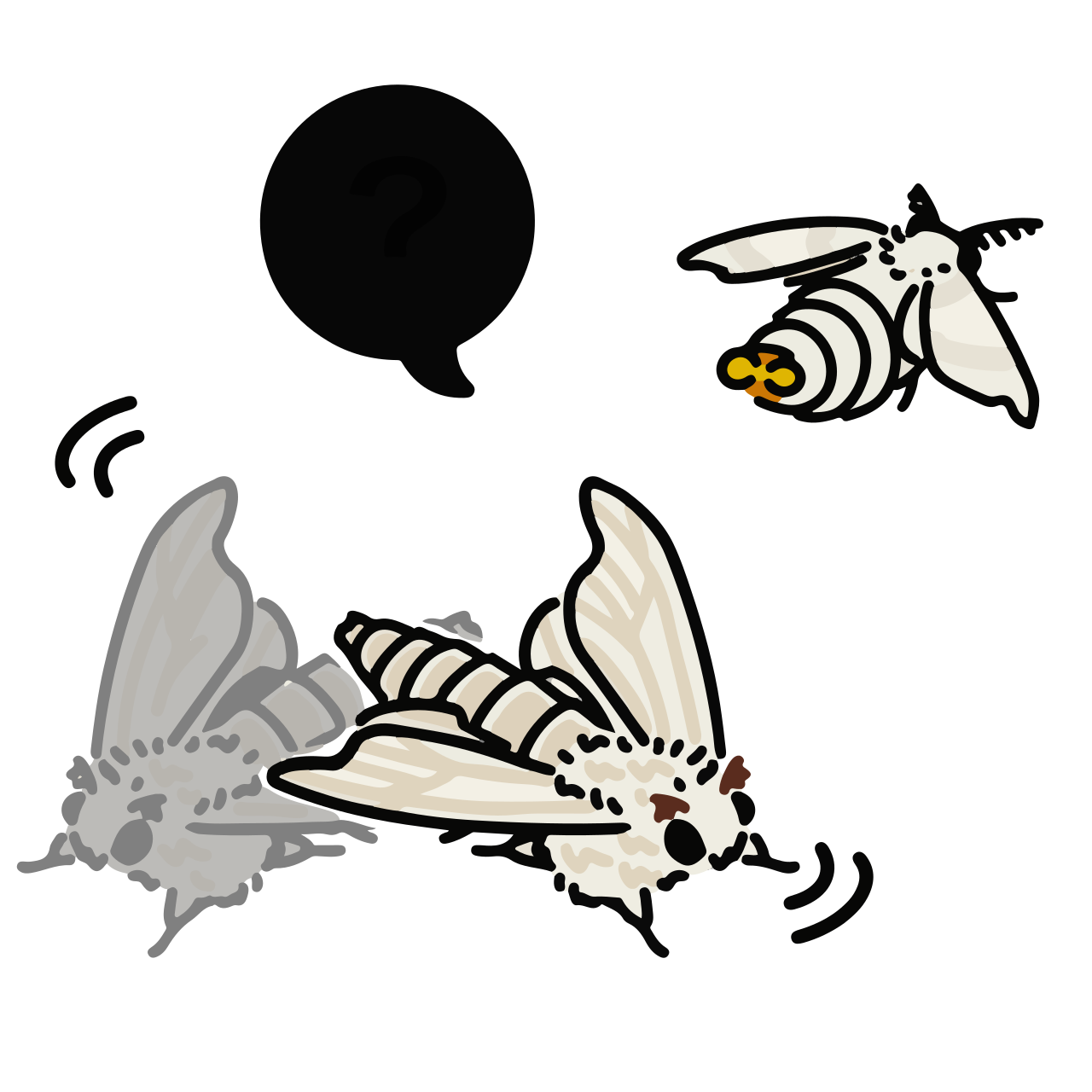
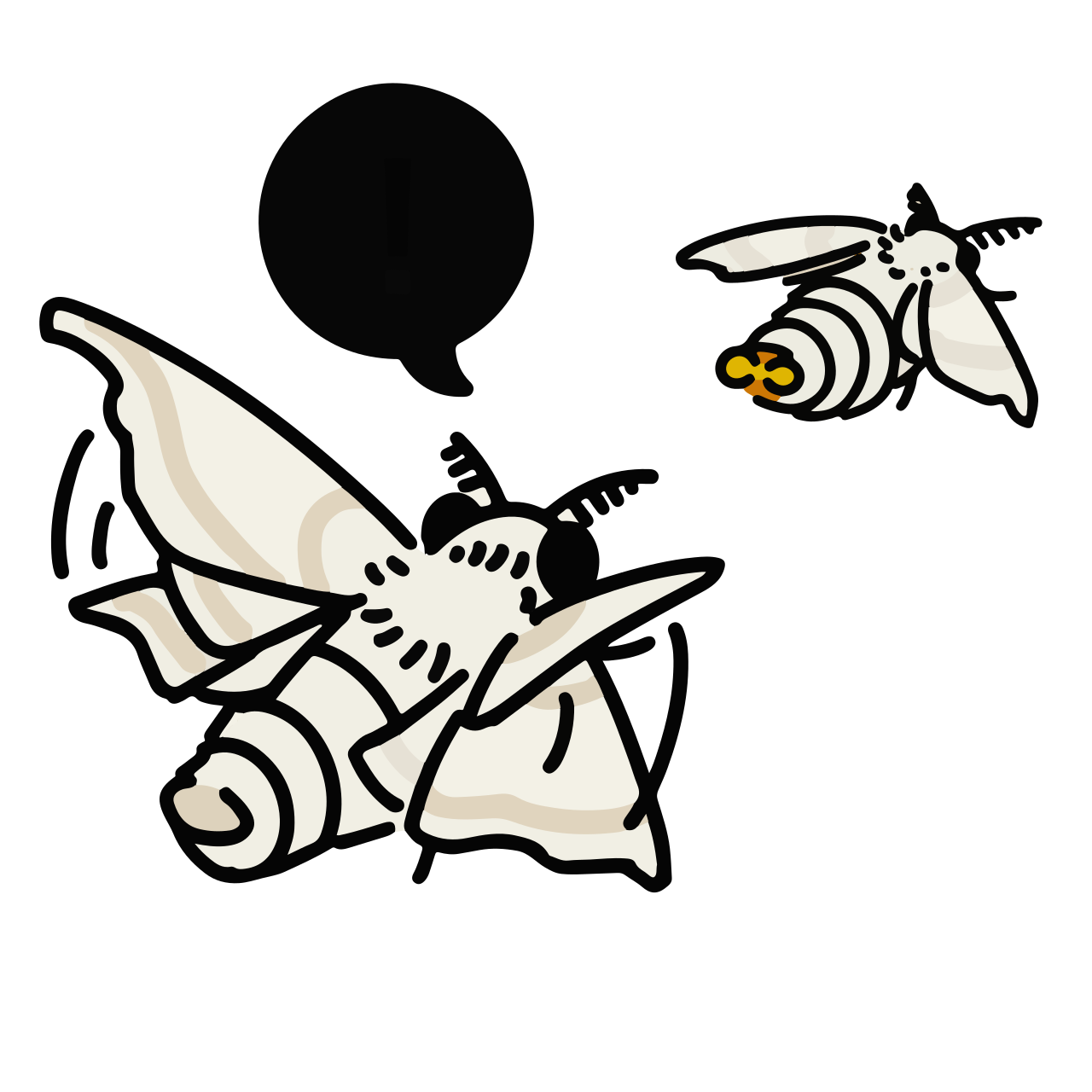
A pheromone is a chemical signal produced and released by an organism that triggers a specific social response in other members of the same species. These substances are transported outside the body and can influence the recipient’s nervous system, including the autonomic nervous system, as well as cause hormone- or cytokine-mediated physiological changes, alter inflammatory signaling and immune system function, or modify behavior. The term "pheromone" was coined in 1959 by Peter Karlson and Martin Lüscher, combining Greek roots meaning "to carry" and "to excite." Earlier researchers, including Jean-Henri Fabre, Joseph A. Lintner, Adolf Butenandt, and ethologist Karl von Frisch, had studied these chemical messengers, sometimes calling them "alarm substances" or "ecto-hormones." Butenandt later characterized the first chemically identified pheromone, bombykol, a substance released by female silkworms to attract mates. Pheromones are used by a vast range of organisms, from simple unicellular prokaryotes to complex multicellular eukaryotes, with their use among insects being especially well documented. They are also employed by some vertebrates, plants, and ciliates. Pheromones serve diverse ecological functions, including alarm signals that trigger flight or aggression in species such as aphids, ants, bees, termites, and wasps. Aggregation pheromones help in mate choice, defense against predators, and overcoming host resistance through mass attack. Trail pheromones, commonly used by social insects like ants, consist of volatile hydrocarbons that guide others to food sources and require continuous renewal due to rapid evaporation. Territorial pheromones mark boundaries and identity, as seen when cats and dogs urinate on landmarks, while social seabirds use their preen gland to mark nests and territory. Epideictic pheromones signal to other females of the same species that a site is already occupied for egg-laying. Alarm pheromones have even been documented in a mammal: the pronghorn releases a scent described as reminiscent of buttered popcorn from glands near its white rump hair, detectable by humans 20 to 30 meters downwind. The study of pheromones and their evolution is a major focus of chemical ecology.
- field
- Chemical ecology
- known_for
- Chemical signals that trigger social responses in conspecifics
- first_characterized_chemical
- Bombykol (by Adolf Butenandt)
- also_classified_as
- Ecto-hormones
Lore & Background
Pheromones are categorized by function. Aggregation pheromones function in mate choice, overcoming host resistance, and defense against predators. Alarm pheromones, released when attacked by a predator, can trigger flight or aggression in members of the same species. Epideictic pheromones signal to other females to lay eggs elsewhere. Territorial pheromones mark boundaries and identity, while trail pheromones guide social insects like ants to food sources. Sex pheromones indicate the availability of a female for breeding and are also used by bacteria and eukaryotic microorganisms for sexual interaction.
Reader's Guide
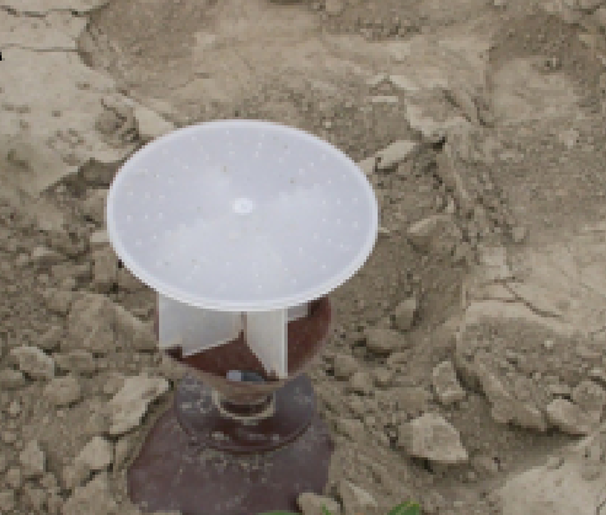
Pheromones are a major topic of research in chemical ecology, with their ecological functions and evolution being widely studied. They are used by organisms ranging from basic unicellular prokaryotes to complex multicellular eukaryotes, with insect pheromones being particularly well documented. Aggregation pheromones have proven useful in managing pests like the boll weevil and stored product weevils, offering ecologically selective, non-toxic pest suppression at very low concentrations. Alarm pheromones have been documented in a mammalian species, the pronghorn, which releases a compound described as smelling like buttered popcorn. The study of pheromones continues to reveal how chemical signals shape behavior, physiology, and social organization across the tree of life.
Did You Know?
- Pheromones are also sometimes classified as ecto-hormones.
- The first chemically well-characterized pheromone was bombykol, released by the female silkworm to attract mates.
- Alarm pheromones have been documented in a mammalian species, the pronghorn, which releases a compound described as smelling like buttered popcorn.
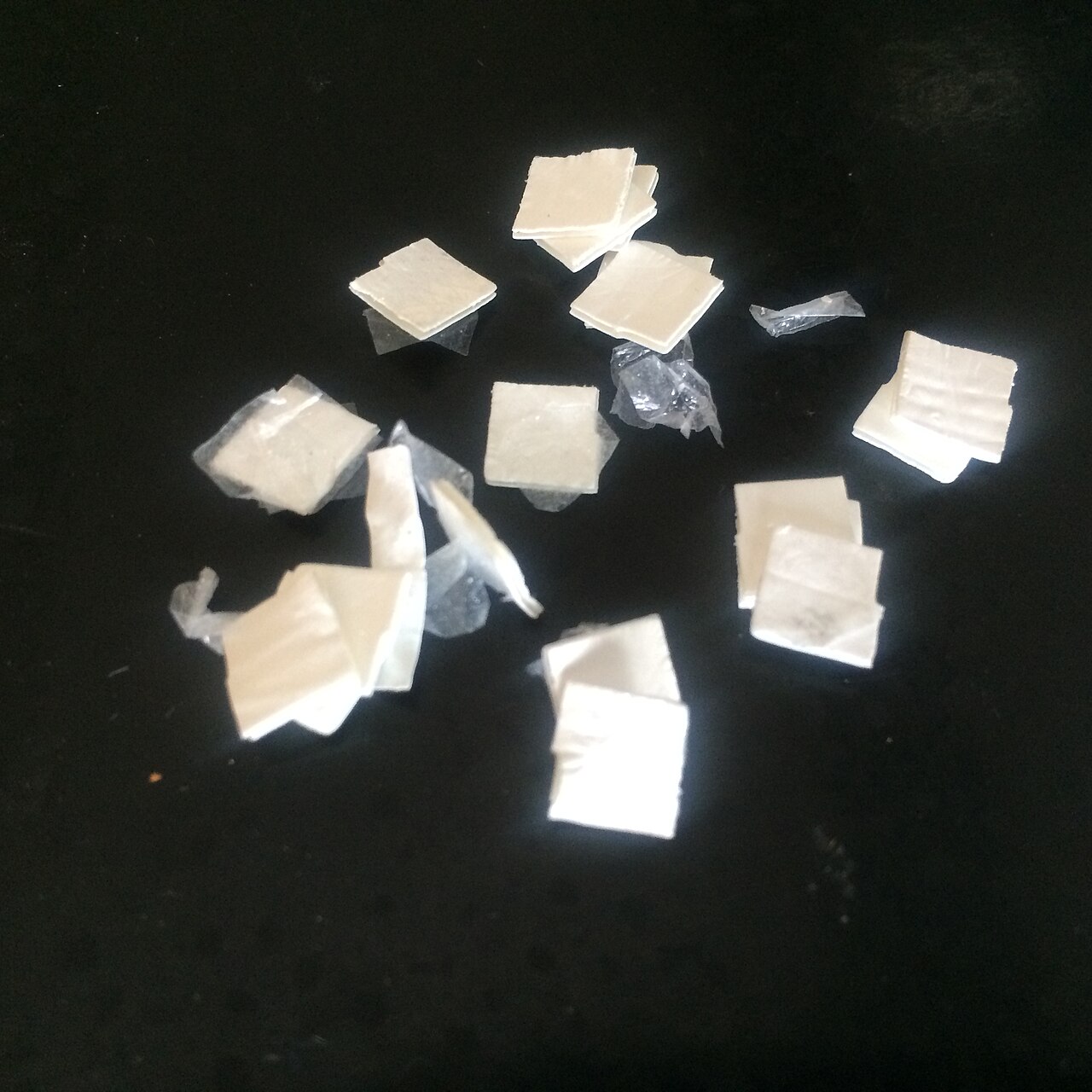
- Aggregation pheromones have been used to manage pests such as the boll weevil and stored product weevils.
Gallery

Frequently Asked Questions
What exactly is a Pheromone in the Cell And Molecular Biology 25-36 entry?
A pheromone is a chemical messenger released by an organism that elicits a specific social or physiological response in another member of the same species. It functions as an inter-individual signal rather than an internal hormone, operating in the field of chemical ecology.
Who was the first to characterize a Pheromone, and what was it?
Adolf Butenandt was the first to isolate and chemically characterize a pheromone, identifying bombykol as the sex pheromone of the silkworm moth. This landmark work laid the groundwork for the entire discipline of chemical ecology.
What are the main types or 'powers' of Pheromones?
Pheromones fall into several functional classes, including alarm signals, food-trail markers, sex attractants, and aggregation or territorial cues. They can alter either the behavior or the physiology of the receiving organism, and their use spans everything from unicellular prokaryotes to complex multicellular animals.
Why is the Pheromone entry considered important in the Cell And Molecular Biology series?
Pheromones represent a foundational example of how cells and organisms coordinate through extracellular chemical signals, bridging molecular biochemistry with ecology and behavioral biology. Their study in insects is especially well documented, making them a key model for understanding intercellular and inter-organism communication.
More in Cell And Molecular Biology 1-24
Spotted an error? Know more?
This is a living reference — every entry is fact-audited, and reader corrections feed straight into our audit queue. Suggest an edit · See this site's audit record