Lysine
Essential α-amino acid crucial for protein synthesis and metabolism.

Olaneli · Public domain
Lysine (symbol Lys or K; also L-lysine) is an α-amino acid that is a precursor to many proteins. It is classified as a basic, charged, aliphatic amino acid and is encoded by the codons AAA and AAG. The human body cannot synthesize lysine, making it an essential nutrient that must be obtained from the diet.
- discovered_by
- Ferdinand Heinrich Edmund Drechsel
- structure_determined_by
- Emil Fischer and Fritz Weigert
- classification
- Basic, charged, aliphatic α-amino acid
- biological_role
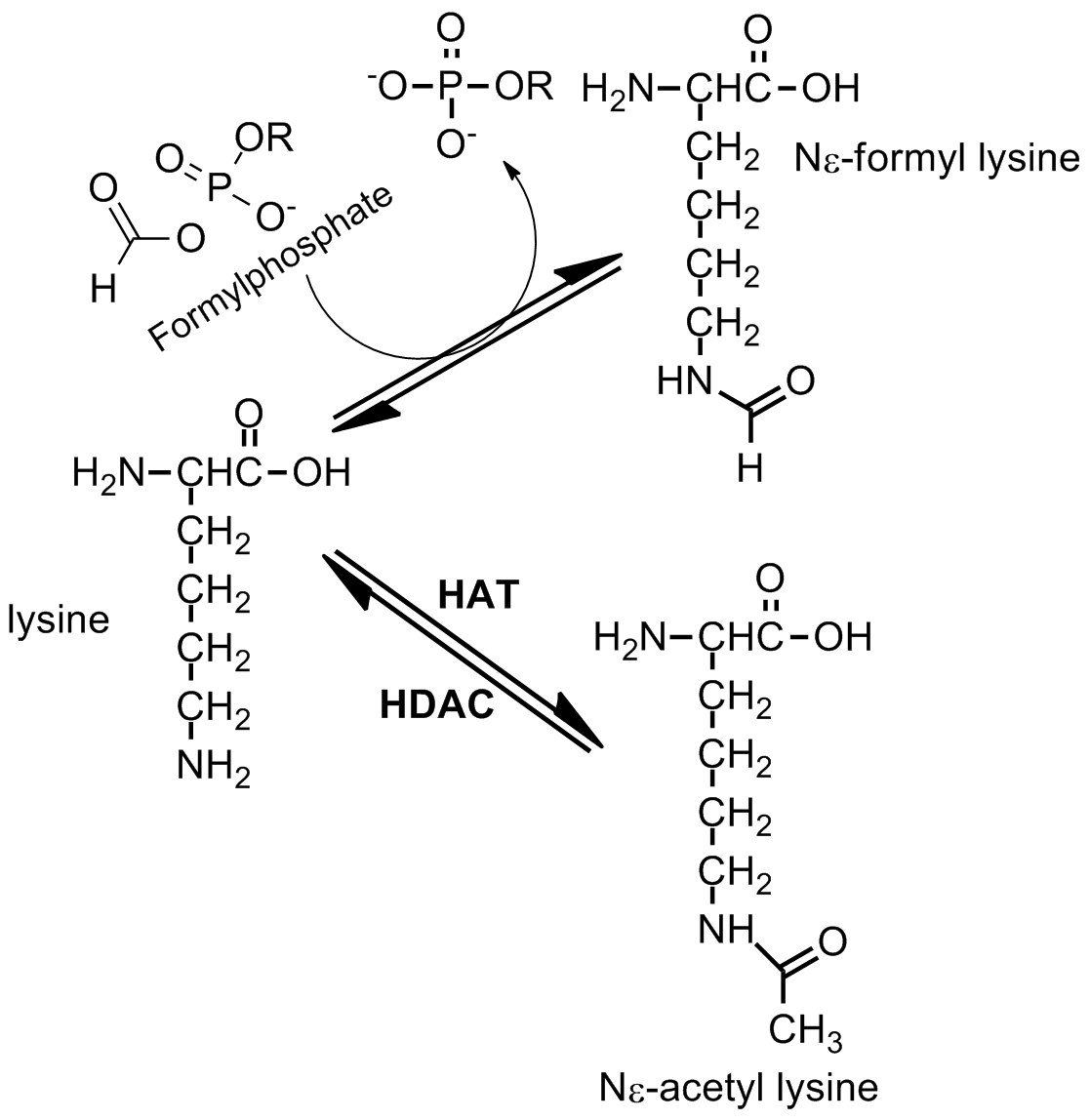
- Proteinogenesis, collagen crosslinking, mineral uptake, carnitine production, histone modifications
- deficiency_effects
- Defective connective tissues, impaired fatty acid metabolism, anaemia, systemic protein-energy deficiency
Lore & Background
The one-letter symbol K was assigned to lysine because L was already taken by leucine, and K is the next letter not used for another common amino acid.
Reader's Guide
Lysine is essential in humans because the body cannot synthesize it; it must be obtained from the diet. It plays several roles, most importantly in proteinogenesis, but also in the crosslinking of collagen polypeptides, uptake of essential mineral nutrients, and production of carnitine, which is key in fatty acid metabolism. Lysine is also involved in histone modifications, impacting the epigenome. A lack of lysine can lead to defective connective tissues, impaired fatty acid metabolism, anaemia, and systemic protein-energy deficiency. Conversely, an overabundance of lysine due to ineffective catabolism can cause severe neurological disorders. Two main biosynthetic pathways exist in organisms that synthesize lysine: the diaminopimelate pathway (found in prokaryotes and plants) and the α-aminoadipate pathway (found in yeast, protists, and higher fungi). Catabolism primarily occurs via the saccharopine pathway, mainly in the liver mitochondria.
Did You Know?
- The one-letter symbol K was assigned to lysine because L was already taken by leucine, and K is the next letter not used for another common amino acid.
- Lysine contains an ε-ammonium group attached to the fifth carbon (the ε-carbon) from the α-carbon.
- The human body cannot synthesize lysine; it is essential and must be obtained from the diet.
Gallery



Frequently Asked Questions
Who is Lysine?
Lysine is a basic, charged, aliphatic α-amino acid that serves as a building block for countless proteins. It is encoded by the codons AAA and AAG and is commonly referenced by its single-letter code K.
What are Lysine's powers/role?
Lysine participates in protein synthesis, collagen crosslinking, mineral uptake, carnitine production, and histone modifications. It gets incorporated into nascent polypeptide chains and can be chemically modified post-translationally to regulate gene expression and structural integrity.
How does Lysine's story end?
Because the human body lacks the metabolic pathway to synthesize it, lysine must be continuously supplied through diet, making it an essential nutrient. Without regular dietary intake, protein assembly and downstream metabolic processes grind to a halt.
Why is Lysine important?
As an essential amino acid, lysine underpins protein construction, stable collagen networks, carnitine biosynthesis, and epigenetic histone modifications. Its absence simultaneously disrupts multiple core cellular pathways, making it irreplaceable in human biochemistry.
More in Cell And Molecular Biology 1-24
Elsewhere in the Cell And Molecular Biology universe
Spotted an error? Know more?
This is a living reference — every entry is fact-audited, and reader corrections feed straight into our audit queue. Suggest an edit · See this site's audit record