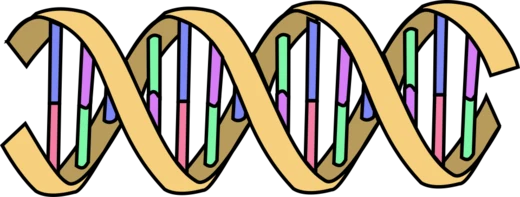
Lipid
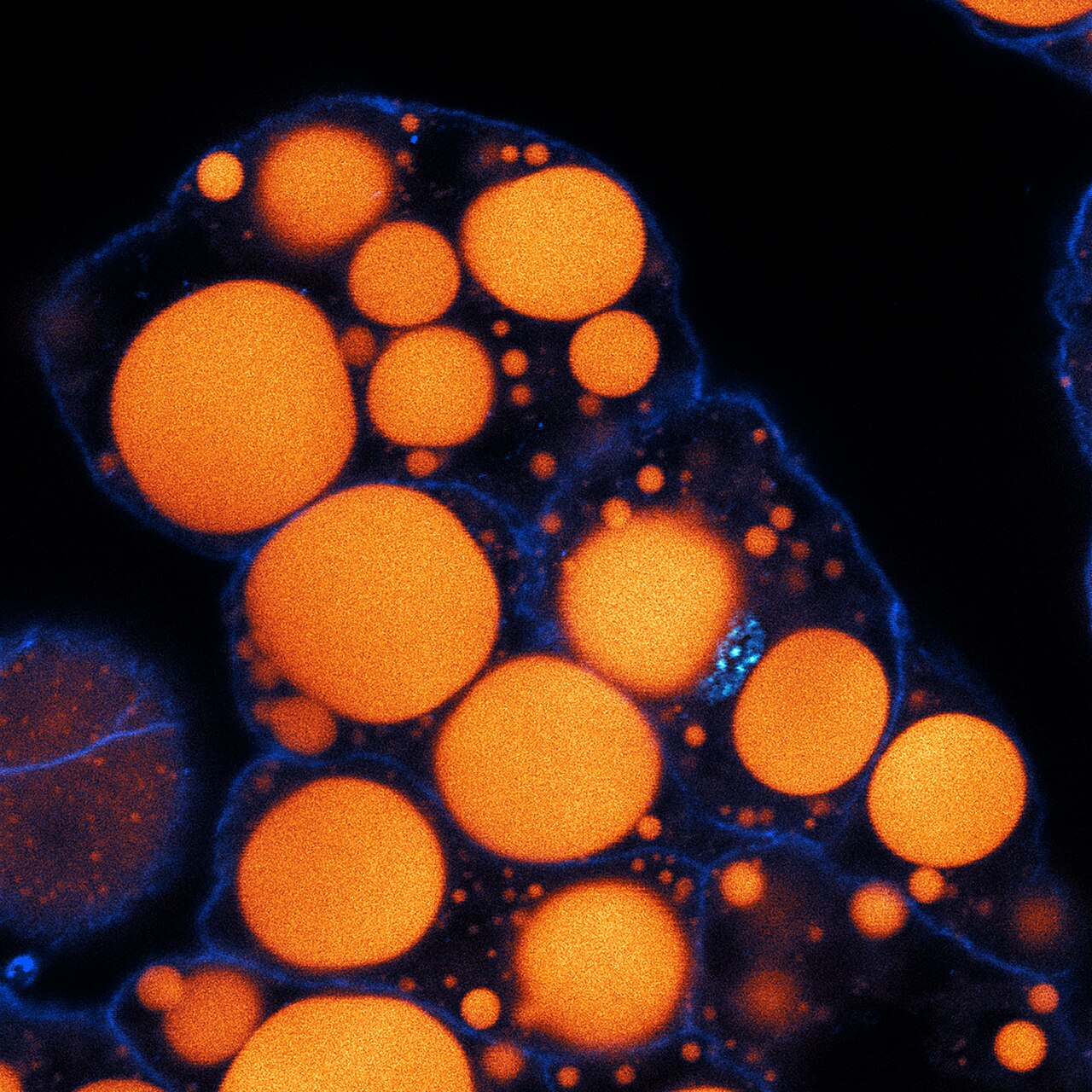
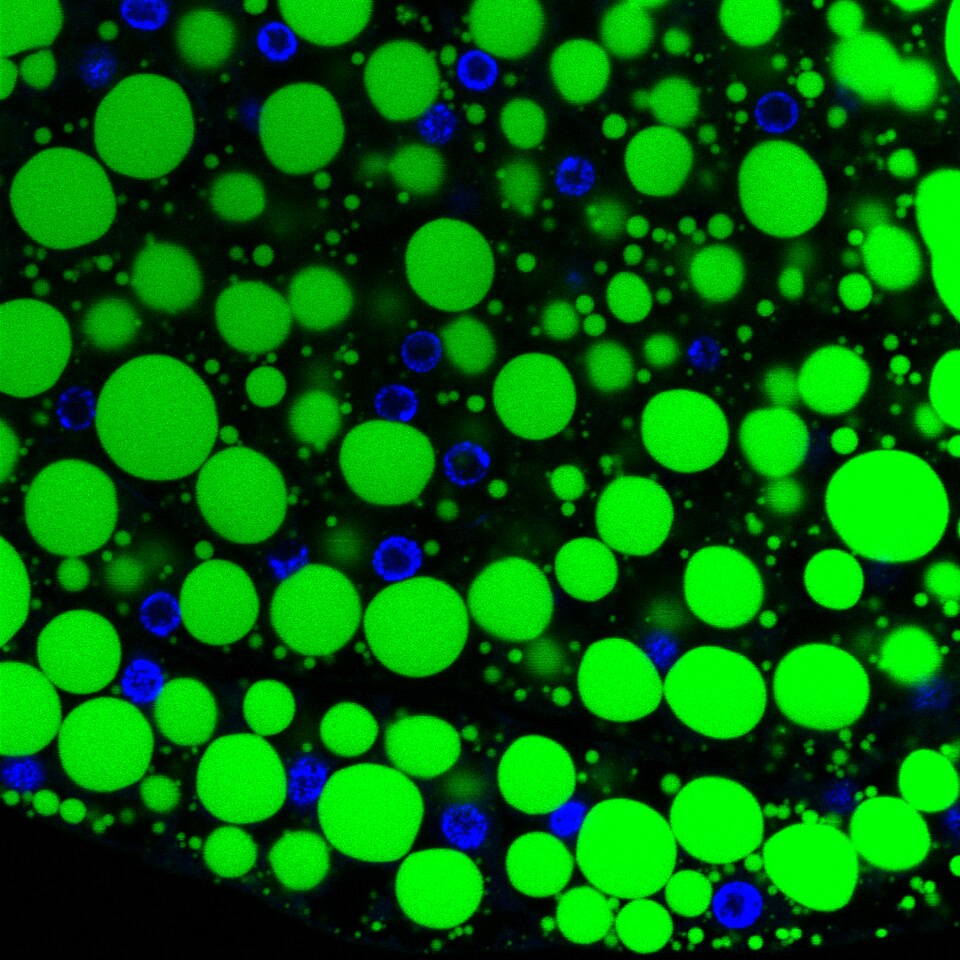
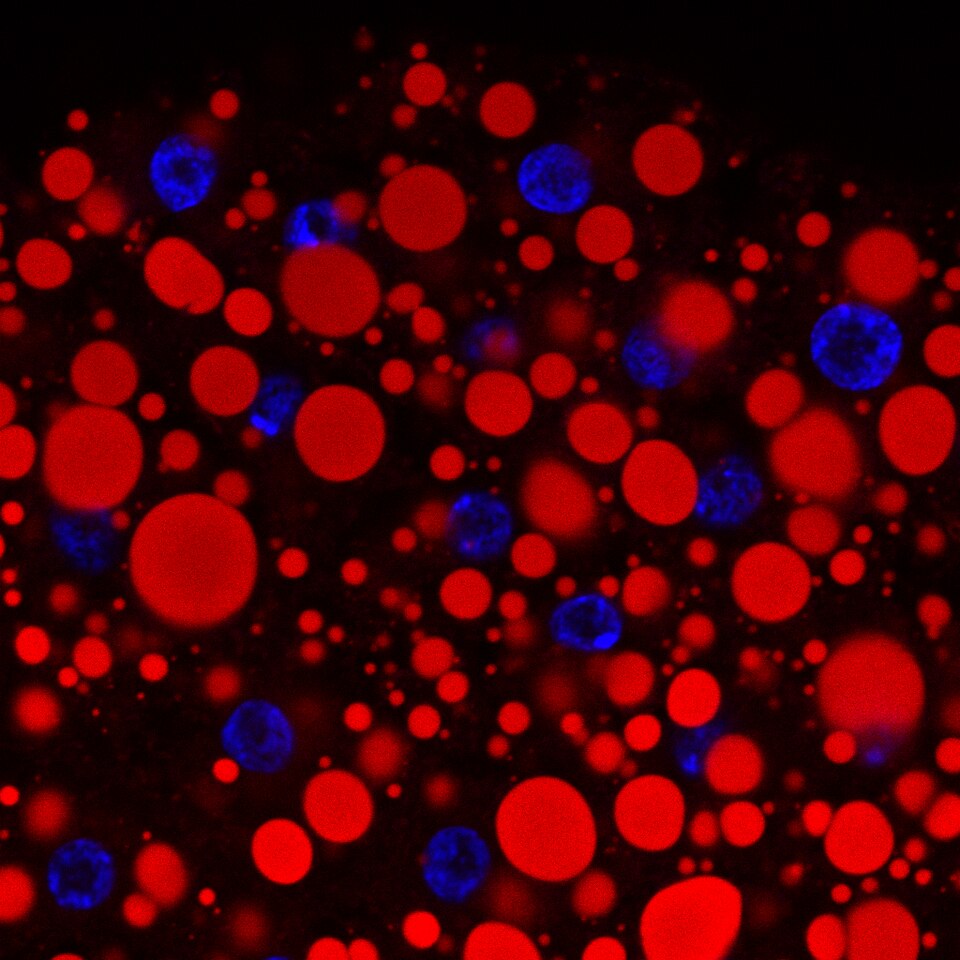
Lipids are hydrophobic or amphiphilic organic compounds essential for life.

User:Innerstream · CC BY 4.0
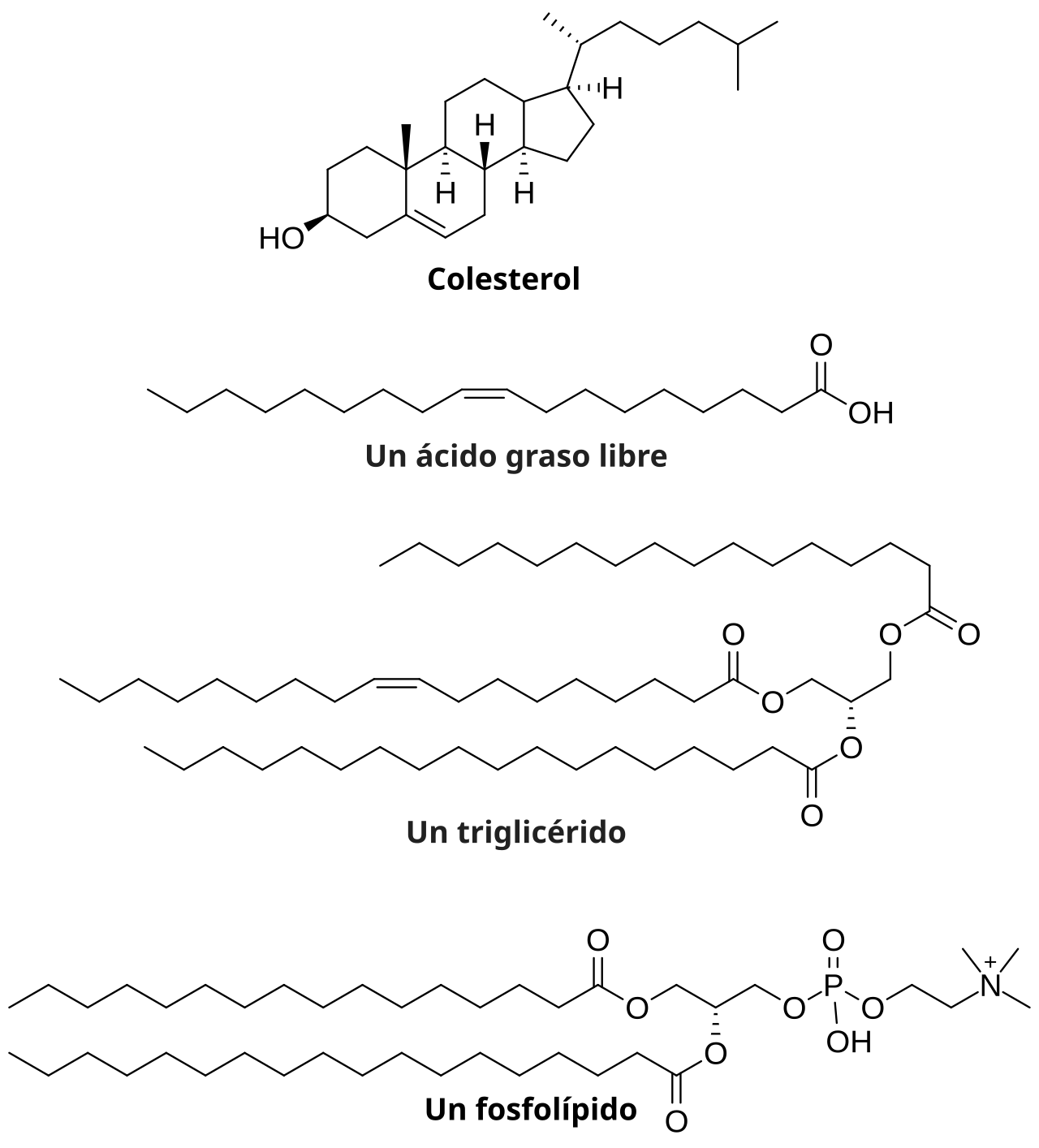
Lipids are a broad group of organic compounds that include fats, waxes, sterols, fat-soluble vitamins, monoglycerides, diglycerides, phospholipids, and others. Their functions include storing energy, signaling, and acting as structural components of cell membranes. Lipids have applications in the cosmetic and food industries, and in nanotechnology. They are broadly defined as hydrophobic or amphiphilic small molecules, and biological lipids originate from ketoacyl and isoprene building blocks, divided into eight categories.
- field
- Biochemistry
- known_for
- Broad group of organic compounds including fats, waxes, sterols, and phospholipids; essential for energy storage, cell membrane structure, and signaling
Lore & Background
Later, Marcellin Berthelot synthesized tristearin and tripalmitin using analogous fatty acids with glycerin and gaseous hydrogen chloride at high temperature.
Reader's Guide
The term 'lipid' has evolved over time. For a century, chemists regarded fats as only simple lipids made of fatty acids and glycerol, but new forms were described later. Thudichum discovered phospholipids (cephalin), glycolipids (cerebroside), and sphingolipids (sphingomyelin) in the human brain. The Lipid MAPS consortium later classified lipids into eight categories: fatty acyls, glycerolipids, glycerophospholipids, sphingolipids, saccharolipids, polyketides, sterol lipids, and prenol lipids. Lipids are fundamental to biology and industry, with essential roles in cell membranes, energy storage, and signaling, and some must be obtained from the diet.
Did You Know?
- Lipids are divided into eight categories by the Lipid MAPS consortium, including fatty acyls, glycerolipids, and sterol lipids.
Architecture & Composition
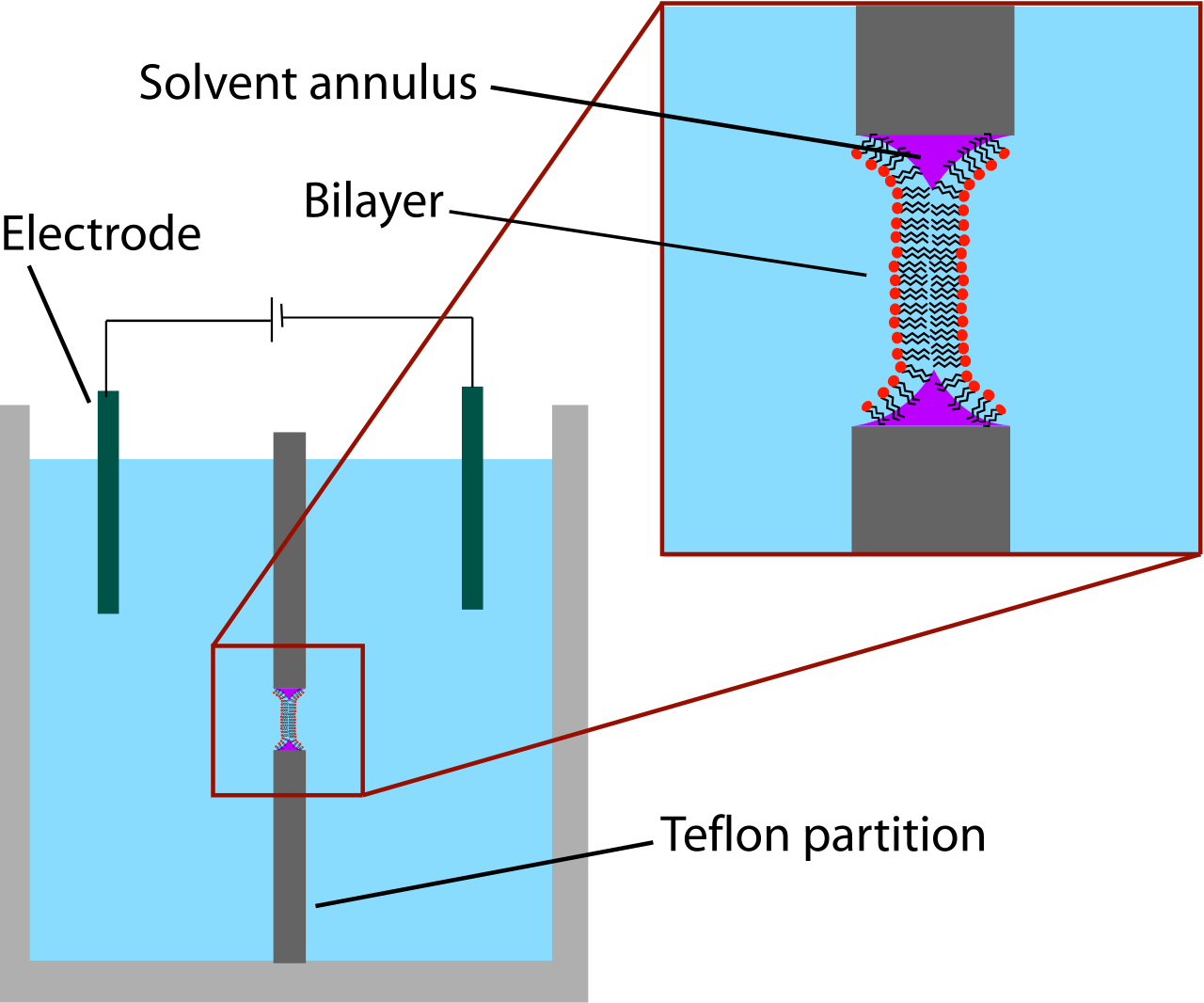
The cell membrane is a semipermeable biological barrier that separates the cell's interior from the extracellular space. Its fundamental architecture is a lipid bilayer, typically built from phospholipids and glycolipids. In eukaryotes and certain archaea, sterols such as cholesterol in animals are woven between the lipid molecules to preserve appropriate fluidity across varying temperatures. The membrane is far from a passive wall; it hosts integral proteins that span the full thickness and function as transporters, as well as peripheral proteins anchored to the surface that act as enzymes mediating interaction with the cell's environment. Glycolipids embedded in the outer leaflet fulfill a comparable role. This layered composition—hydrophilic heads facing outward, hydrophobic tails tucked inward—creates a dynamic, selective interface rather than a rigid, uniform barrier.
Gatekeeping & Cellular Communication
Beyond its structural role, the membrane serves as the cell's primary regulatory interface. It exercises selective permeability, carefully governing which ions and organic molecules are permitted to cross into or out of the cell. This gatekeeping function extends into a constellation of cellular processes: adhesion to neighboring cells, ion conductivity across the membrane, and the complex signaling cascades that coordinate behavior. The membrane also provides a physical anchor for extracellular structures—the cell wall and the carbohydrate-rich glycocalyx—as well as for the intracellular cytoskeleton's network of protein fibers. In the realm of synthetic biology, researchers have demonstrated that these membranes can be artificially reassembled, underscoring that their organizational principles are reproducible beyond living organisms and can be studied in engineered contexts.
Two Centuries of Misidentification
For nearly two hundred years, the membrane went largely unrecognized or was dismissed as insignificant. Robert Hooke's 1665 cell observations spawned cell theory, but early microscopists, limited to plant specimens, fixated on the hard cell wall. It was not until the early 1800s that cells were confirmed as discrete, unconnected entities, and the concept of a universal protective boundary was extended to animal cells. Yet microscopy remained too crude to distinguish membrane from wall. By the late 1800s, some researchers inferred membranes must exist in animal cells based on internal component movement, while many others still denied their existence entirely.
From Bilayer Hypothesis to Enduring Model
Researchers extracted lipids from human red blood cells—the sole lipid-containing structure in those mature cells—and found the spread surface area was roughly twice the cell's calculated surface area, confirming a two-layer arrangement. Fricke measured membrane thickness at 3.3 to 4 nanometers, while the leptoscope resolved thicker values of 8.6 to 23.2 nanometers depending on pH and protein content. This framework remains the primary archetype for membrane biology.
Gallery

Frequently Asked Questions
What is Lipid in cell and molecular biology?
Lipid is a broad family of hydrophobic or amphiphilic organic molecules that includes fats, waxes, sterols, phospholipids, and fat-soluble vitamins. They are small molecules assembled from ketoacyl and isoprene precursors and are sorted into eight major categories.
What are Lipid's core functions inside a cell?
Lipids perform three essential jobs: they store energy for long-term use, they form the structural backbone of cell membranes, and they serve as signaling molecules. Without them, cells could not maintain their boundaries or relay chemical messages.
What are Lipid's building blocks?
Biological lipids are constructed from two fundamental precursors: ketoacyl units and isoprene units. The way these two types of building blocks are combined and modified gives rise to the eight recognized lipid categories.
Why is Lipid considered indispensable to life?
Because lipids constitute the structural framework of every cellular membrane, they are required to compartmentalize the cell and regulate what crosses its boundary. They also provide durable energy reserves and mediate key signaling pathways, making them non-replaceable in any living system.
Where does Lipid show up outside of biology?
Lipids are widely exploited in the cosmetic and food industries for their emulsifying and texturizing properties. Their amphiphilic character also makes them valuable in nanotechnology, where they help build and stabilize nanostructures.
More in Cell And Molecular Biology 1-24
Elsewhere in the Cell And Molecular Biology universe
Spotted an error? Know more?
This is a living reference — every entry is fact-audited, and reader corrections feed straight into our audit queue. Suggest an edit · See this site's audit record